Henrik Meier · 7 September 2026
Tovara's Digitization Push Unlocks Layers of Overlooked Local Stories from the City Archives
City officials in Tovara launched a major digitization initiative in early 2025 that has since brought thousands of previously inaccessible records into public view, and the effort continues to expand access through September 2026 with new batches of materials added each quarter. Researchers and local historians now examine documents that range from 19th-century municipal ledgers to mid-20th-century neighborhood correspondence, all converted into searchable digital formats that connect fragments of overlooked stories across generations.
Project Background and Scope
The archive project began when municipal leaders allocated funding to scan and catalog physical collections stored in climate-controlled vaults beneath the city hall complex, while staff coordinated with external specialists to ensure metadata standards aligned with international practices recommended by organizations such as the International Council on Archives. Over 85,000 pages entered the system during the first twelve months, and the collection includes property deeds, council minutes, school registers, and personal letters that together map social and economic patterns once buried in handwritten entries.
Early analysis revealed clusters of records tied to specific districts that had received little prior attention, and these materials now allow scholars to trace migration routes, trade networks, and community events with greater precision than before. Data entry teams apply consistent indexing protocols that link names, dates, and locations across multiple document types, which in turn supports cross-referencing that uncovers connections between seemingly unrelated files.
Revealed Stories and Research Applications
One set of digitized school attendance logs from the 1920s shows enrollment patterns among families who operated small workshops along the riverfront, and cross-checks with property records indicate how those same households adapted to industrial shifts during the following decade. Historians note that such layered details emerge only after the records become searchable, since manual review of the original volumes would require months of dedicated effort for any single inquiry.
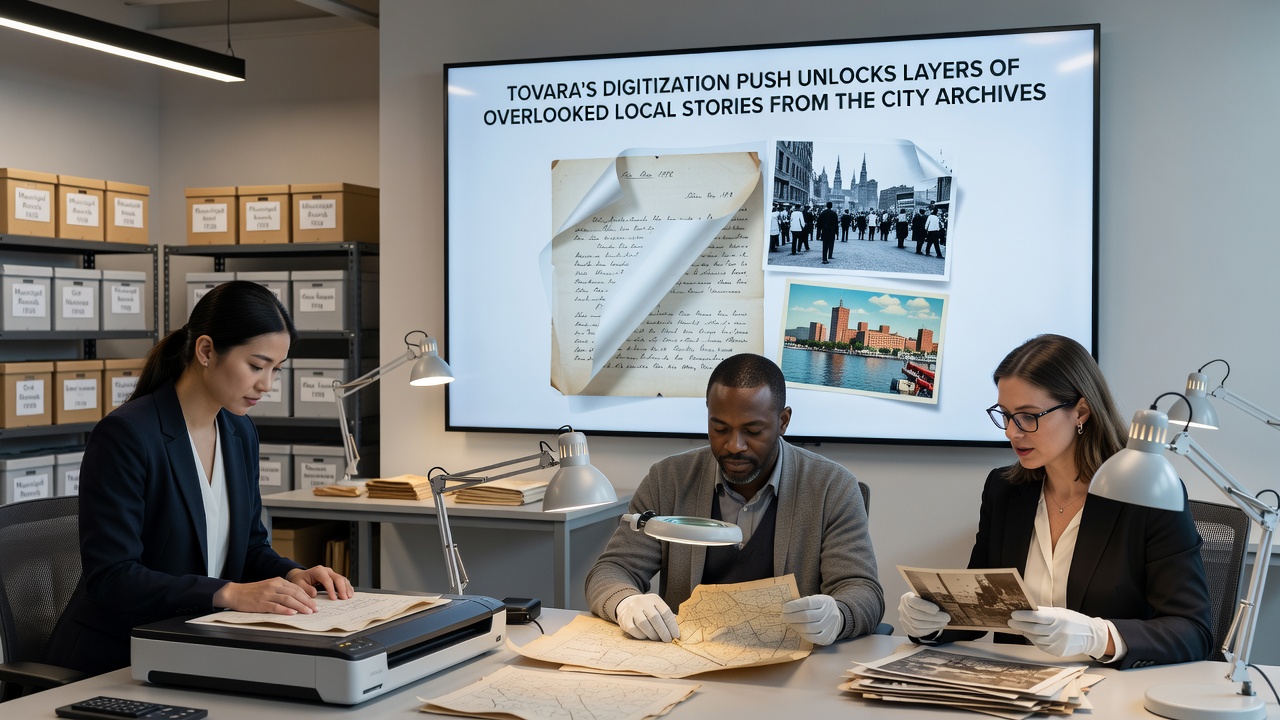
Another group of documents centers on neighborhood petitions submitted in the 1950s regarding infrastructure improvements, and these files reveal negotiations between residents and city planners that shaped the layout of several streets still in use today. Observers point out that the digitization effort also incorporates photographs and maps that accompany the textual records, creating richer context for each discovery.
Technical Implementation and Access Expansion
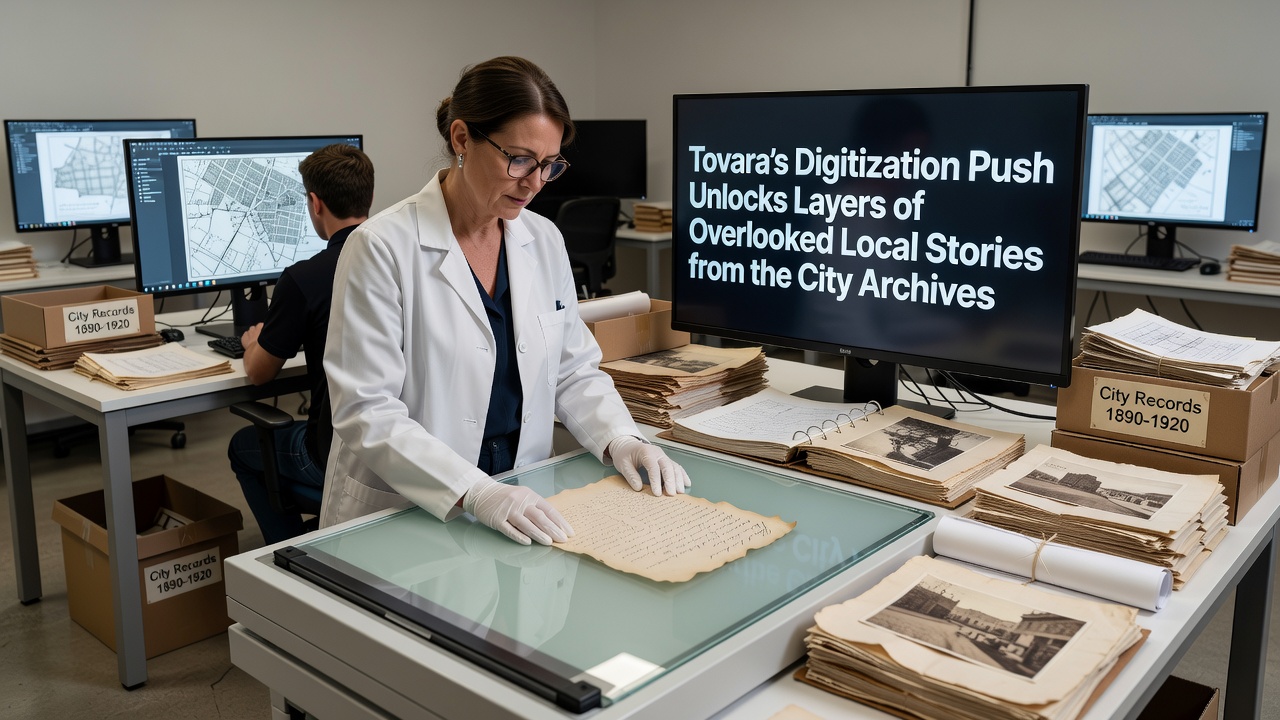
Technicians installed high-resolution scanners capable of handling fragile paper and bound volumes without damage, while software platforms manage optical character recognition across multiple languages present in the collection. The resulting database operates through a public portal that offers tiered access levels, allowing general users to browse summaries and granting registered researchers full-text downloads along with citation tools.
By September 2026 the portal had recorded more than 120,000 unique visits, and usage logs indicate repeated searches from academic institutions as well as local residents tracing family histories. Partnerships with regional universities provide training workshops that teach students how to navigate the metadata structure and interpret the primary sources effectively.
Broader Context and Future Phases
Similar digitization programs operate in other municipalities across Europe, where Europeana aggregates content from national and local collections to support continent-wide research. Tovara's approach incorporates lessons from those initiatives while tailoring metadata fields to capture details unique to its own archival holdings, such as references to specific local festivals and trade guilds.
Planned expansions include audio recordings of oral histories collected in the 1970s and additional visual materials that will enter the system during the next funding cycle. Staff continue to refine search algorithms based on user feedback, which improves retrieval accuracy for queries involving names, occupations, and geographic coordinates embedded in the records.
Conclusion
The ongoing digitization work in Tovara demonstrates how systematic conversion of physical archives can surface previously hidden narratives that enrich understanding of local development, and the September 2026 milestone marks another step toward comprehensive public availability. Continued investment in technology and training ensures that the growing collection remains a reliable resource for researchers who examine patterns across decades of municipal history.