Petra Sullivan · 2 November 2026
Tovara's Art Scene Fuels Export Strategies as Schools Pilot Language Programs Near New Transit Routes
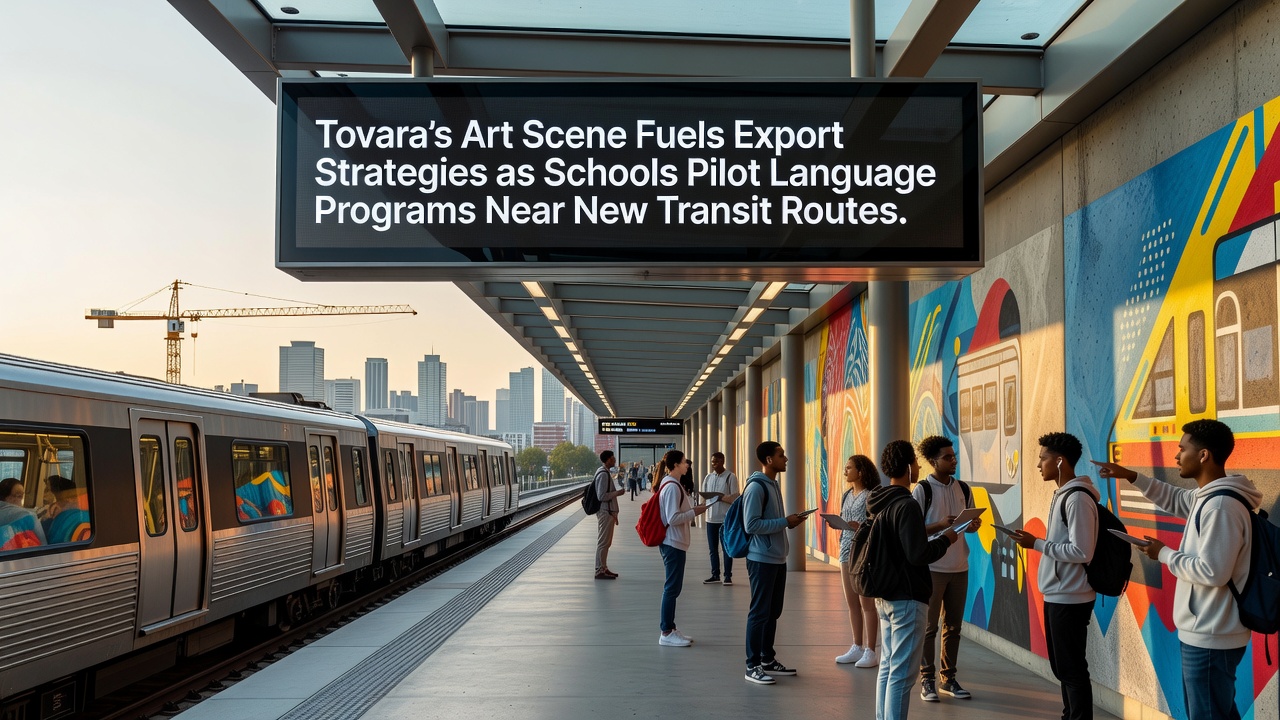
Local galleries and studios across Tovara have expanded their reach into global markets through coordinated export initiatives that highlight regional paintings, sculptures, and mixed-media installations, while educational authorities have rolled out language immersion pilots in schools positioned along newly opened transit corridors that connect residential districts to central business zones.
Data from the Tovara Chamber of Commerce shows that art-related exports rose by 18 percent between 2024 and 2025, driven largely by partnerships between artist collectives and logistics firms that utilize the expanded rail links; these routes now carry both finished artworks and the materials required for large-scale commissions destined for buyers in Asia and North America.
Art Production and Market Expansion
Studios clustered near the eastern rail hub report steady contracts for custom pieces that incorporate local motifs, yet the same artists often negotiate terms in multiple languages to meet client specifications from overseas; this overlap has prompted direct collaboration between export coordinators and school administrators who manage the language programs.
One logistics operator noted that shipments scheduled for November 2026 will include a series of site-specific installations commissioned by museums in Canada, and the paperwork for those deliveries requires bilingual documentation that the pilot classes are now practicing with real trade documents supplied by participating galleries.
Transit Routes and School Locations
New bus and light-rail stops opened in 2025 sit within walking distance of five secondary schools that began offering intensive German-English and German-Mandarin tracks in September of that year; enrollment figures released by the municipal education department indicate that 320 students joined the first cohort, with an additional 150 slated to start in early 2026.
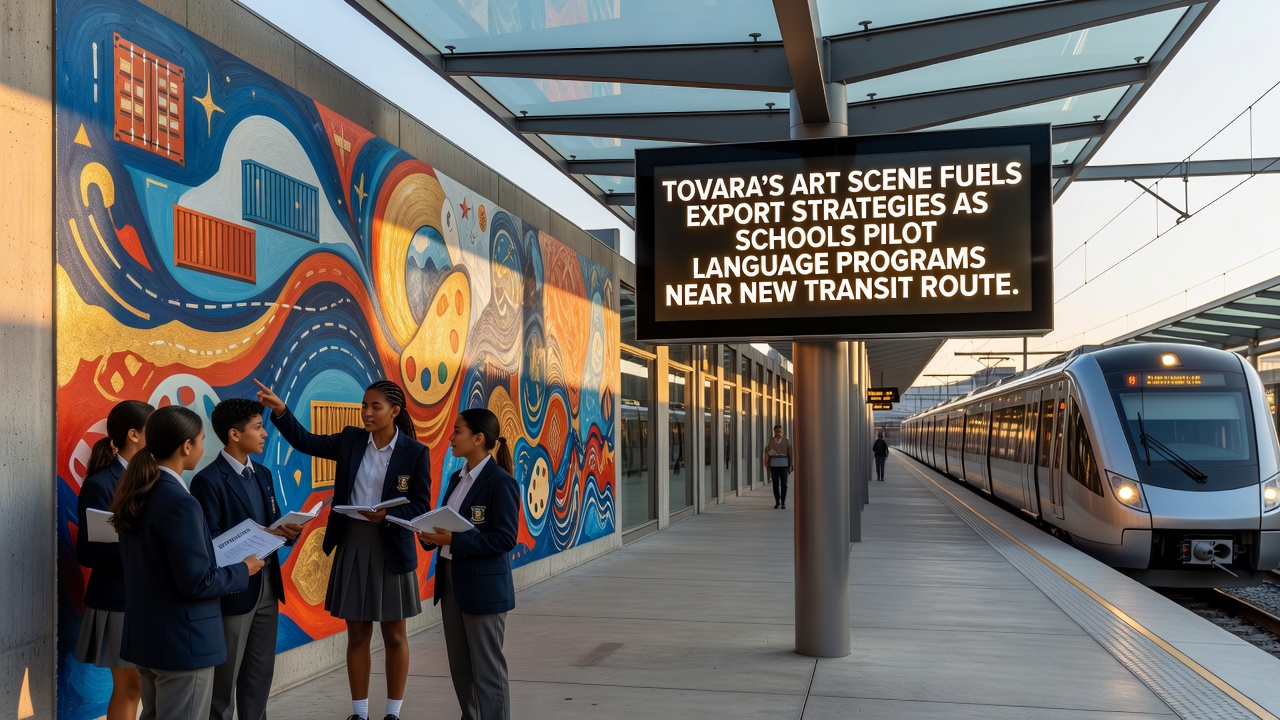
Transit planners designed the stops to reduce commute times for families living in outer neighborhoods, and the same planners worked with curriculum developers to align class schedules with peak transit hours so students could attend after-school sessions without relying on private vehicles.
Language Skills Supporting Trade
Teachers in the pilot programs have incorporated vocabulary drawn from customs forms and exhibition contracts, allowing students to practice negotiation phrases and technical descriptions that appear in actual export paperwork; several classes have already reviewed sample invoices from a recent shipment of ceramic works sent to a gallery in Melbourne.
According to figures published by the European Centre for the Development of Vocational Training, regions that combine language instruction with proximity to transport infrastructure record higher rates of small-business participation in cross-border trade, and Tovara's current setup mirrors patterns observed in similar mid-sized cities that updated both their rail networks and school offerings within the same five-year window.
Industry reports from the Canadian Trade Commissioner Service further indicate that buyers prefer suppliers who can provide documentation and client communication in the purchaser's primary language, a factor that has accelerated the decision to site language pilots beside the newest transit lines rather than in older downtown facilities.
Implementation Timeline and Participation
By November 2026 the municipal government expects to have evaluated the first full academic year of the language pilots and to have adjusted route frequencies on two bus lines that serve the participating schools; preliminary observations compiled by the transport authority show a 12 percent increase in student ridership on those corridors during weekday afternoons.
Artist residencies tied to the export program have also moved into underused commercial spaces adjacent to the same transit stops, creating short-term workspaces where students completing language modules can meet visiting curators and practice conversational skills in authentic settings.
Conclusion
Coordination between the art export network and the language pilots continues to evolve through quarterly meetings that include representatives from galleries, schools, and the transit authority, with the shared goal of aligning training opportunities and shipping schedules so that both sectors can draw on the same pool of multilingual young residents who already live near efficient public transport.