Petra Sullivan · 5 October 2026
Tovara Community Gardens Anchor Cardiac Recovery in Flood-Prone Areas
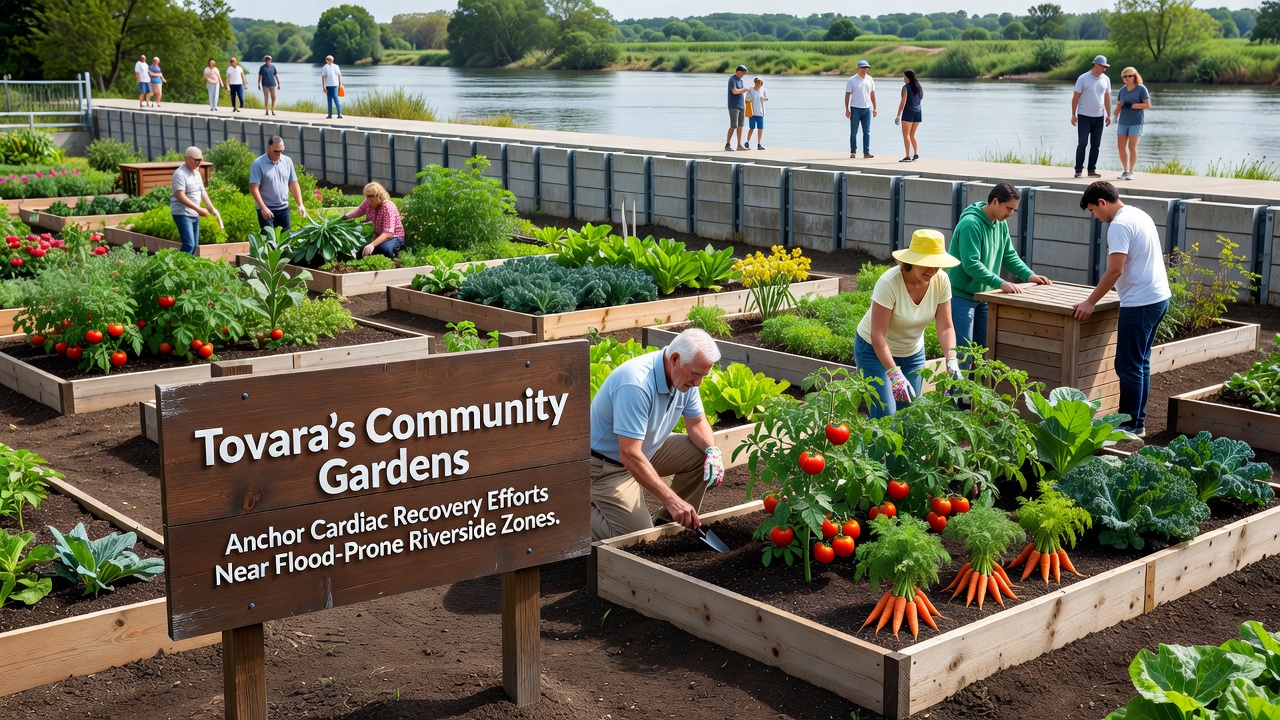
Community gardens across Tovara have expanded their role to support structured cardiac recovery programs in zones that face repeated flooding from the adjacent river system, and local health authorities coordinate these efforts with environmental planning agencies to maintain safe access during seasonal high-water periods. Participants in these programs follow supervised exercise routines that incorporate garden maintenance tasks such as light weeding and soil preparation, while raised pathways and elevated planting beds keep activities above typical flood levels recorded in past decades.
Geographic Context and Program Setup
Riverside neighborhoods in Tovara sit within floodplains that have experienced water level rises during autumn storms, and city records show that October 2026 brought above-average rainfall that tested new drainage features installed around garden perimeters. These gardens now include bio-swales and permeable surfaces that direct excess water away from activity zones, allowing cardiac rehabilitation sessions to continue without interruption. Health workers from regional clinics assign patients to groups based on recovery stage, and each session combines monitored walking with educational segments on nutrition drawn from produce grown on site.
Data from the Tovara Public Health Department indicates that over 180 individuals joined these garden-based programs in the first half of 2026, with attendance tracked through electronic check-in systems linked to hospital follow-up records. Researchers at the nearby university medical center have noted correlations between consistent participation and improved metrics such as resting heart rate and blood pressure readings collected at six-week intervals.
Integration of Environmental and Health Measures
Engineers worked with cardiologists to design garden layouts that accommodate both flood resilience and therapeutic movement, and the resulting paths feature gentle slopes plus handrails at key points. Irrigation systems draw from monitored river sources yet switch to stored rainwater tanks when turbidity levels rise, a protocol aligned with guidelines from the European Environment Agency. Cardiac recovery participants receive instruction on recognizing early signs of physical strain while performing garden tasks, and staff maintain portable defibrillators along with direct radio links to emergency services.
Participant Outcomes and Supporting Research
One study conducted by the Tovara Institute of Environmental Health tracked 92 patients over nine months and reported average improvements in six-minute walk test distances after garden sessions replaced traditional gym-based routines. The same report highlighted reduced cancellation rates during wet weather months because the adapted infrastructure kept areas usable. Similar initiatives in other river-adjacent cities have produced comparable patterns, according to a report issued by the Australian Institute of Health and Welfare that examined parallel programs in comparable climates.
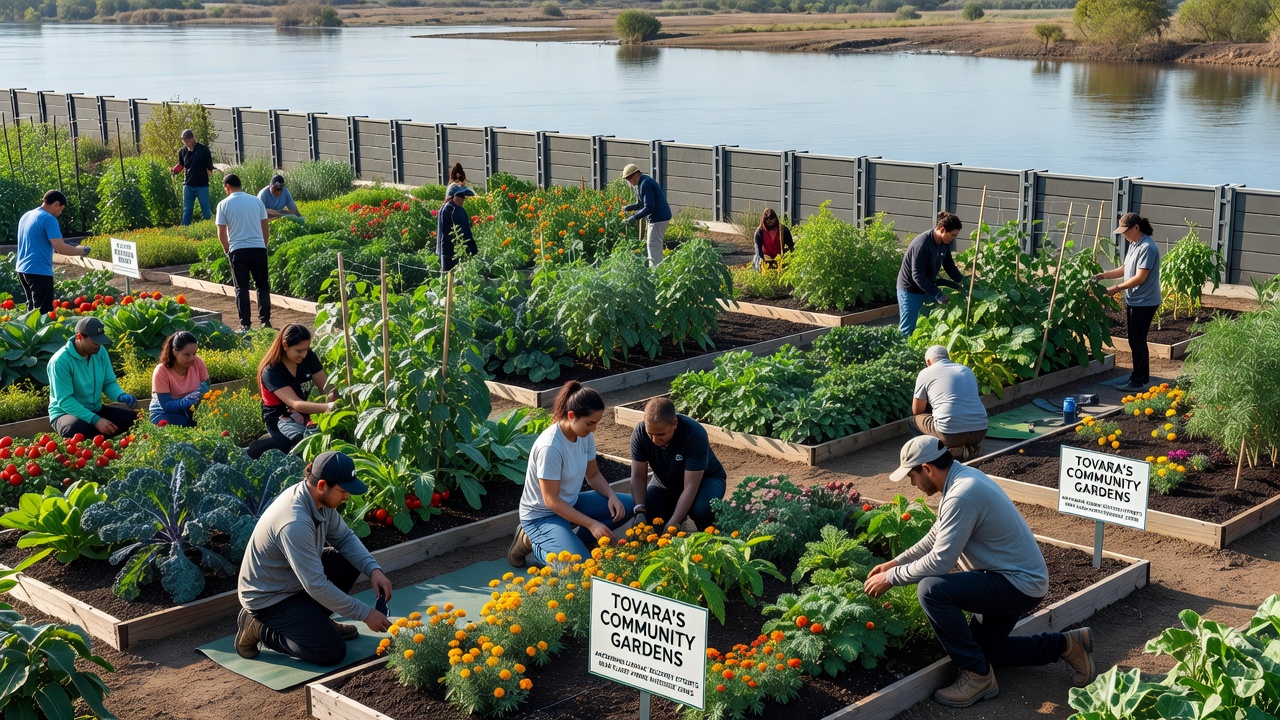
Training for garden coordinators includes certification in basic cardiac first response, and monthly reviews adjust activity intensity based on individual progress reports shared between clinics and garden managers. Soil testing occurs quarterly to confirm that produce remains safe for consumption, with results published in open data portals maintained by the municipal agriculture office. Participants who complete the full program cycle often transition to volunteer roles that help maintain the same spaces they once used for recovery.
Adaptations for Seasonal Challenges
Flood modeling software used by city planners predicted that certain low-lying garden sections would require additional reinforcement before the 2026 wet season, and crews completed the work by late summer. Emergency protocols now include preemptive relocation of portable equipment and temporary closure notices issued through a dedicated mobile application. These steps have kept program continuity high even when surrounding streets experienced minor inundation.
Nutrition workshops held at the gardens emphasize vegetables that thrive in the local soil while meeting dietary guidelines for cardiovascular health, and harvest shares are distributed through a rotating schedule that reaches all registered participants. Partnerships with nearby food banks extend surplus produce to broader community members, creating an additional layer of resource circulation documented in annual municipal sustainability reports.
Conclusion
Tovara's approach combines landscape engineering with cardiac care delivery in a way that addresses both environmental pressures and individual recovery needs. Ongoing data collection from the October 2026 period continues to inform refinements, and similar models are under review by health authorities in other flood-vulnerable regions. The gardens function as stable hubs where measurable health indicators and flood-mitigation infrastructure operate side by side.